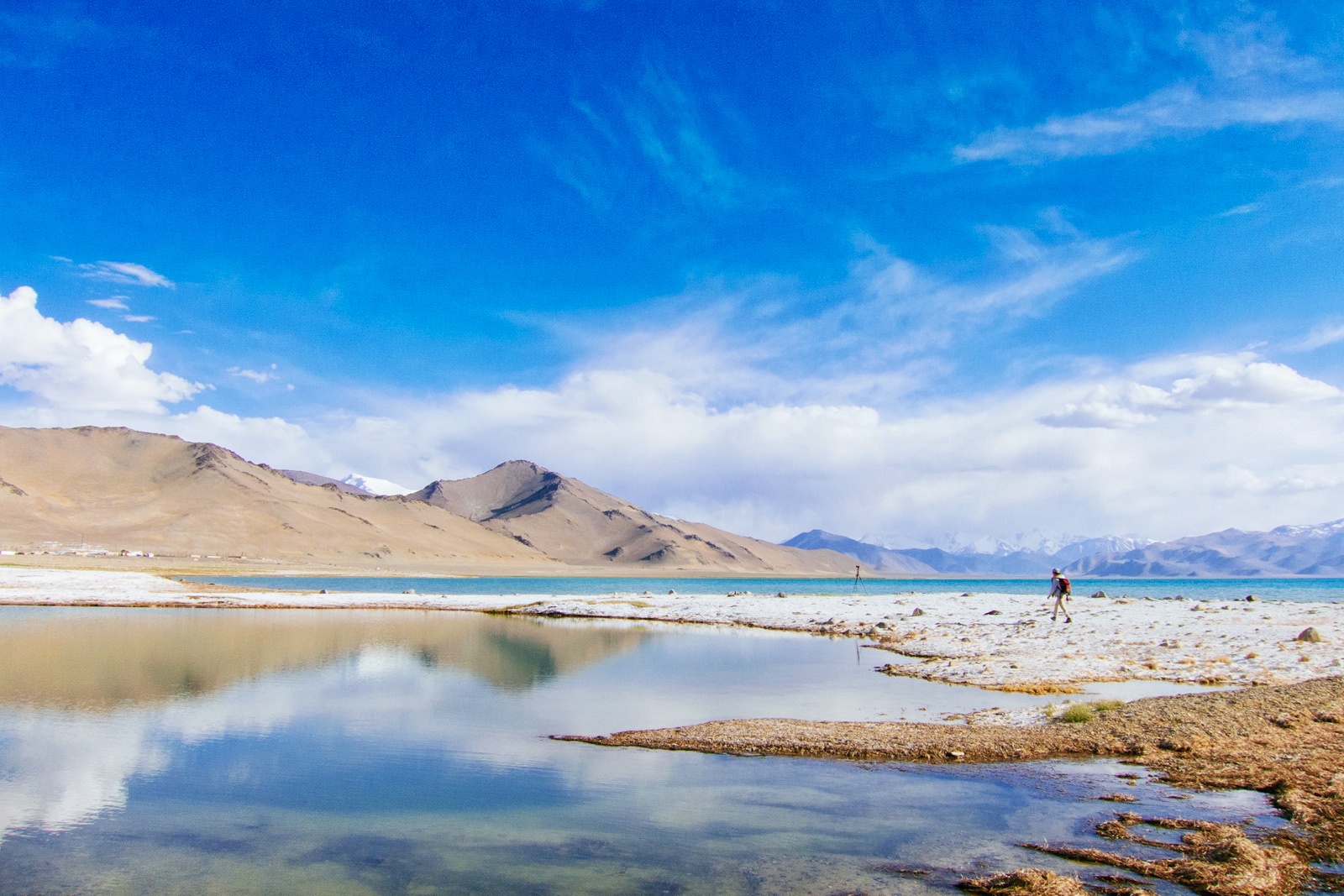
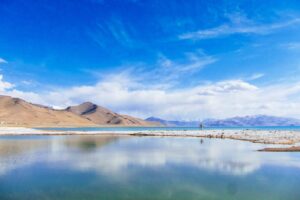
When we first reached Karakul Lake, it felt like we’d stepped into another world. Nestled high in the Pamir Mountains at nearly 4,000 meters above sea level, this vast, untouched lake was like nothing I’d ever seen before. The name Karakul means “Black Lake” in Tajik, though its colours are anything but dark—shifting between deep blue and emerald green depending on the light.
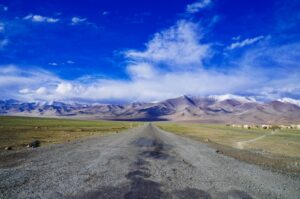
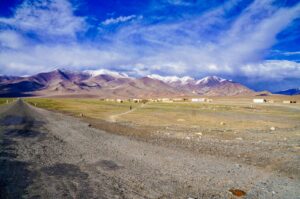
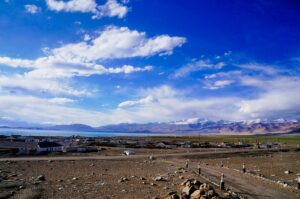
The lake itself is enormous, stretching 25 kilometers across, but what makes it special is its incredible stillness. With no development along its shores, it feels pure, untouched, and almost otherworldly. On the eastern side lies a small Kyrgyz village of the same name, where a community of nomadic herders lives. They raise yaks, sheep, and goats, carrying on traditions that have been passed down for generations.
A Village of Mud-Brick Homes
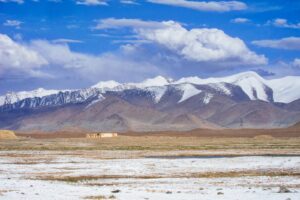
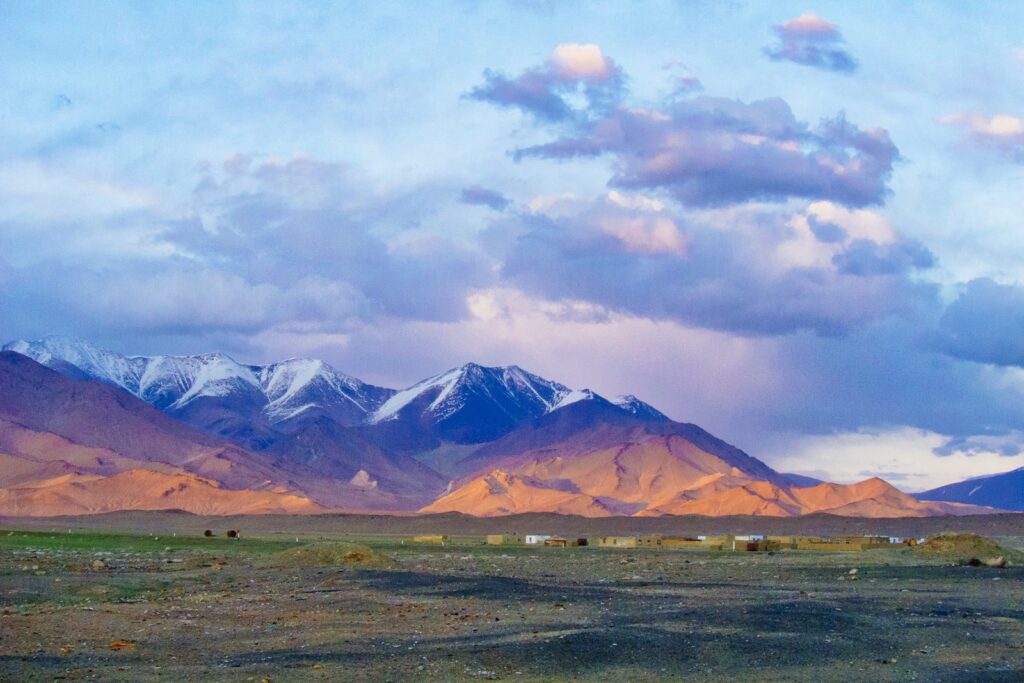
The village is small, quiet, and incredibly charming. The houses are made of mud bricks—practical and sturdy, given the harsh mountain climate. Most are painted white, with bright blue doors and windows that seem to mirror the sky and water. In the middle of the village stands a simple but beautiful mosque, its whitewashed walls and two minarets standing proudly against the dramatic backdrop of snow-capped peaks.
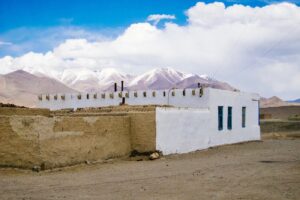
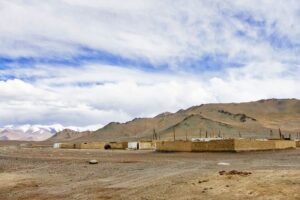
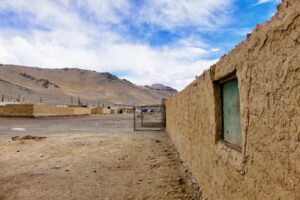
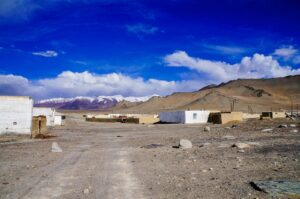
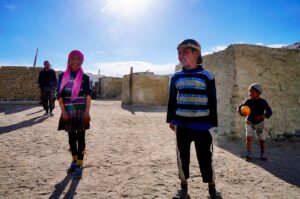
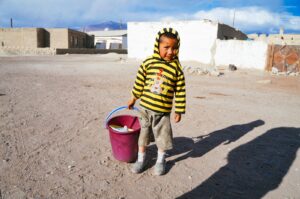
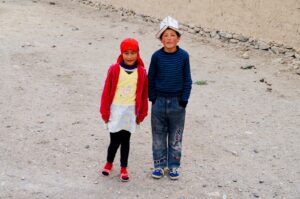
As we wandered through the village, children laughed and played in the streets, their energy contrasting with the stillness of the surroundings. The sense of community here is palpable, and it’s impossible not to feel a deep respect for how these people thrive in such a remote, challenging environment.
Staying at Sadat Homestay
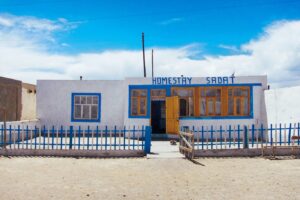
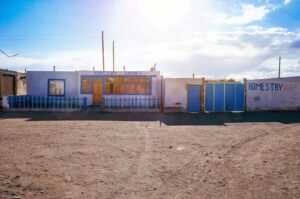
We spent the night at Sadat Homestay, a cozy, no-frills spot run by a welcoming family. The room was simple, with thick mattresses and plenty of warm blankets to shield us from the cold mountain air. From the homestay, it was just a short walk to the lake, and we couldn’t resist heading there right after we settled in.
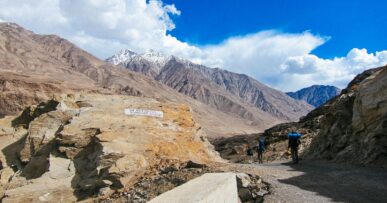
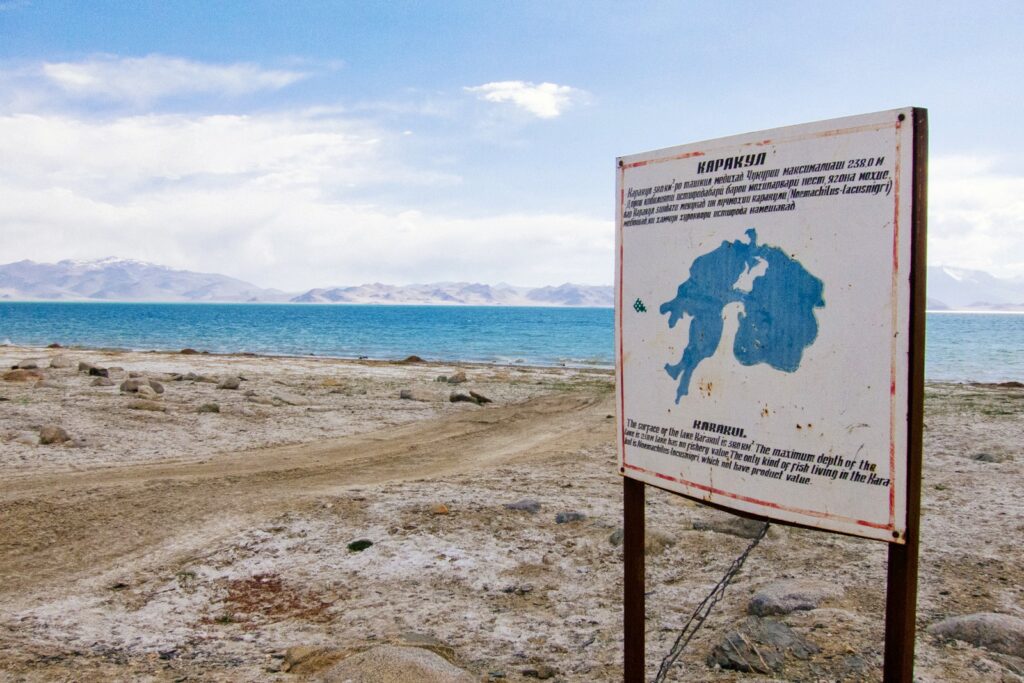
When we reached the lake, I was greeted by a small signboard sharing some fascinating facts:
The surface of Lake Karakul is 380 sq km, with a maximum depth of 258m. The lake has no fishery value. The only species of fish found here, Noemachilus-locusnigri, has no commercial value.
The Magic of Karakul
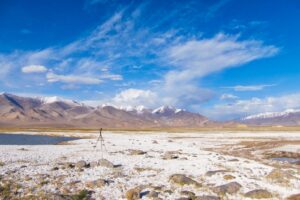
To really soak in Karakul’s beauty, I walked along the shore to an open, white sand-like area. It felt like I’d stepped onto another planet. The reflection of the sky and mountains on the water was so clear it looked like a mirror—it was almost hard to tell where the lake ended and the sky began. It was the kind of place that makes you stop and just… breathe.
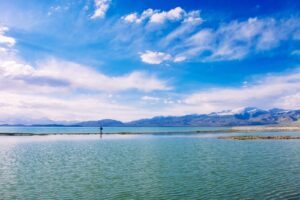
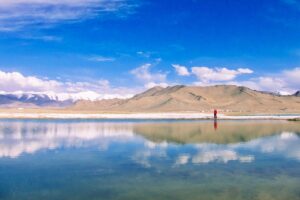
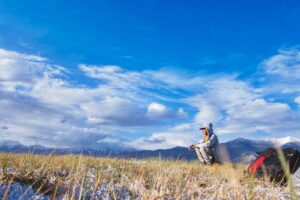
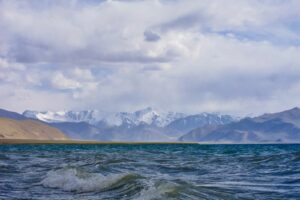
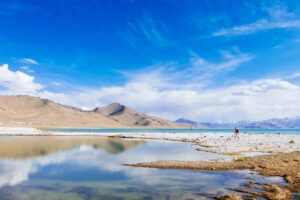
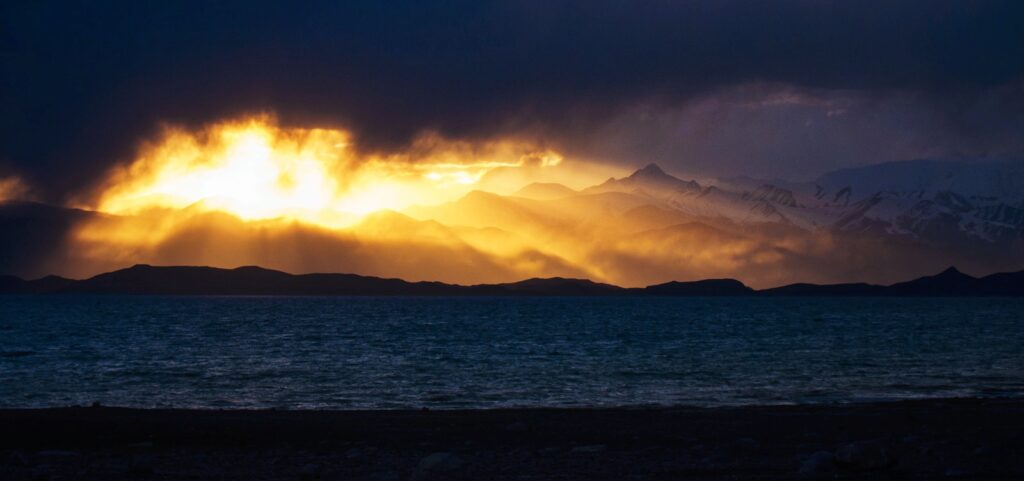
We stayed until sunset and as the sun dipped behind the mountains, the lake seemed to glow, shifting into shades of pink and gold. It was one of the most peaceful moments I’ve ever experienced, standing there in complete silence, surrounded by nature’s masterpiece.
Leaving Karakul
As we left the next morning, I found myself looking back at the lake over and over, trying to memorize every detail. Karakul isn’t just a place you visit; it’s a place you feel. It’s far removed from the digital world and the rush of everyday life, a reminder that there are still places where time seems to stand still.
If you ever get the chance to visit, take it. Karakul is the kind of place that stays with you long after you’ve left.