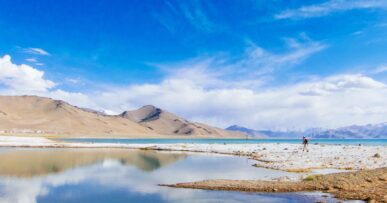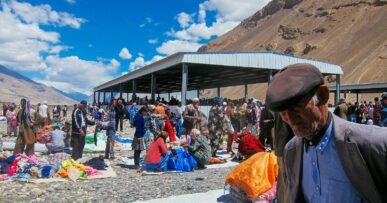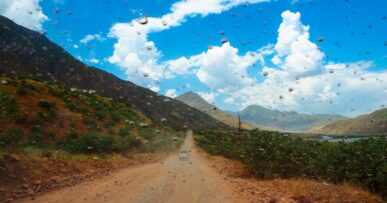
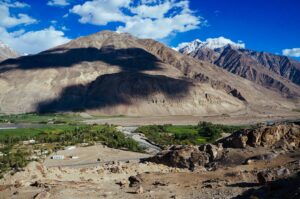
The Wakhan Valley is one of the most stunning and remote regions I’ve ever explored. Nestled in the rugged Pamir Mountains, this alpine valley stretches across the Badakhshan region of Afghanistan and Tajikistan, offering breathtaking landscapes that feel untouched by time.
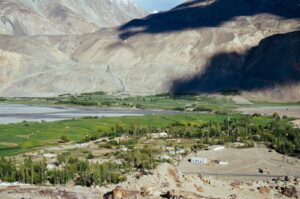
Facing the Wakhan Corridor, the small settlement of Darshai (sometimes spelled Darshay) sits on the river that separates Afghanistan from Tajikistan. This charming village serves as the starting point for a trek to a yurt camp located about 20 kilometers away, deep in the valley’s heart.
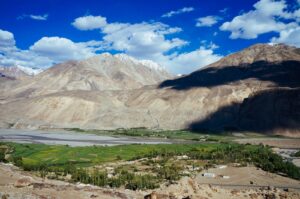
Darshai Village
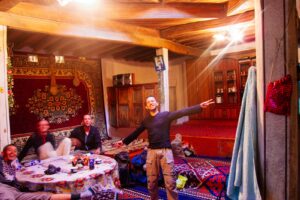
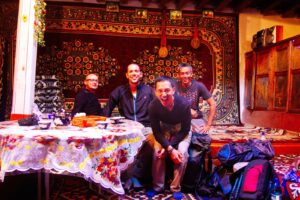
In Darshai, we stayed at Partovi Khudoyorbekov Homestay, a cozy and welcoming spot perfect for travelers. The homestay offers free parking, laundry service, and even ironing—luxuries in a place this remote. The host was incredibly accommodating, and for an additional fee, they prepared delicious meals that fueled us for the trek ahead.
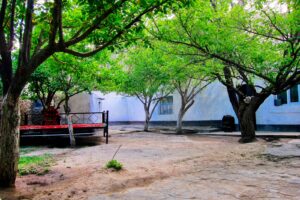
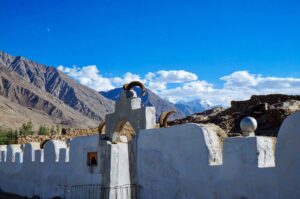
The village itself is quiet and peaceful, with its simple homes framed by towering mountains. It’s the kind of place that invites you to slow down and take in the scenery.
The Trek Begins
Although it’s generally recommended to hire a guide for the trek to the yurt camp, we decided to venture out on our own, encouraged by the two Polish travelers we had met earlier in Osh, Kyrgyzstan. They assured us that the trail was straightforward enough, and with a bit of nervous excitement, we set off.
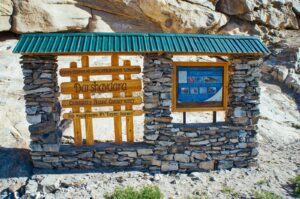
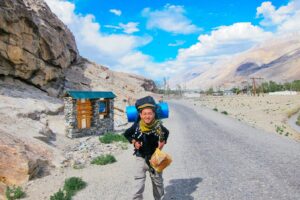
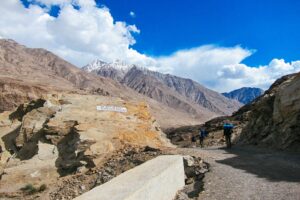
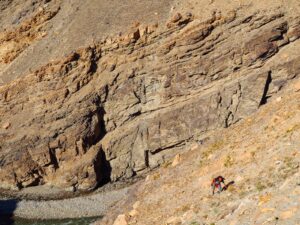
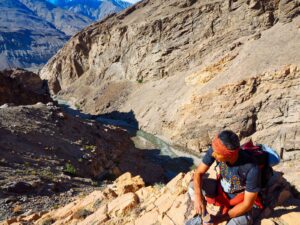
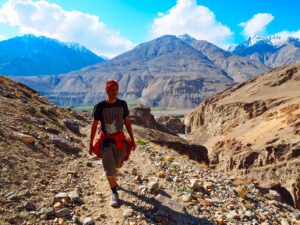
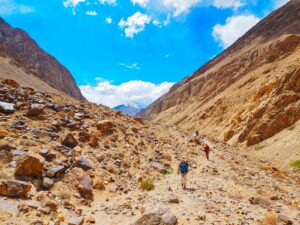
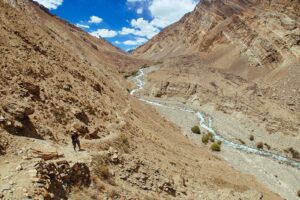
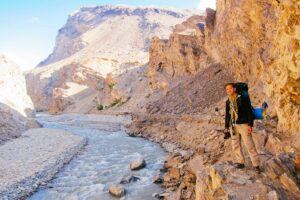
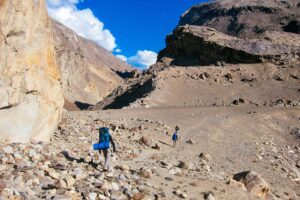
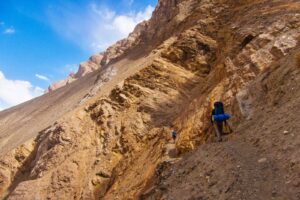
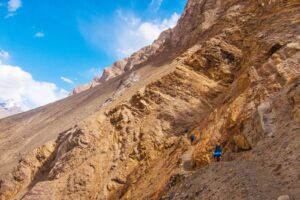
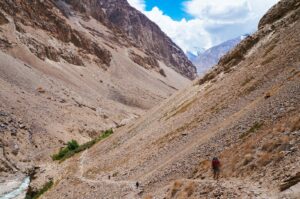
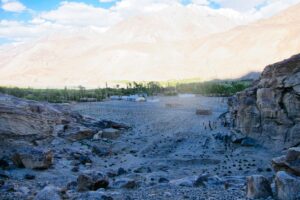
Just into the first hour of our trek, we hit an unexpected challenge—rockfalls. Our path was abruptly blocked, and for a moment, we weren’t sure if we’d be able to continue. We waited cautiously for the falling rocks to subside, hearts pounding as we stood at the side of the mountain. Once it was safe, we carefully repathed the track, shifting stones and testing the ground beneath our feet. It was a slow and tense process, but eventually, we managed to carve out a new way forward, determined to keep going.
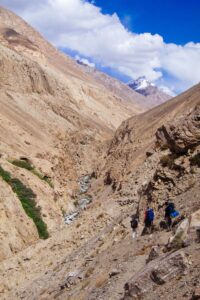
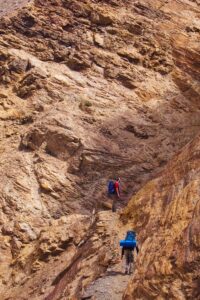
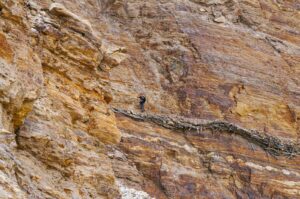
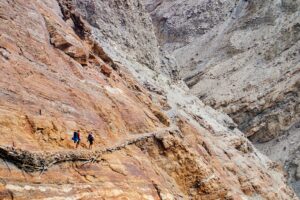
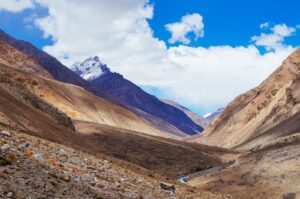
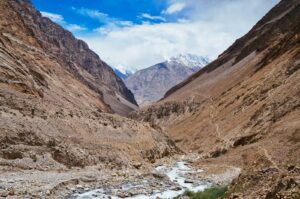
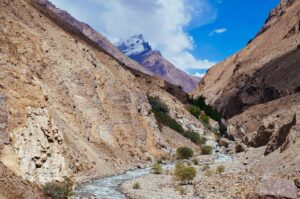
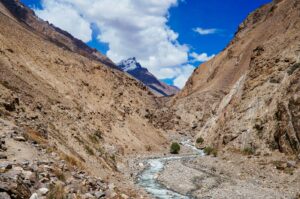
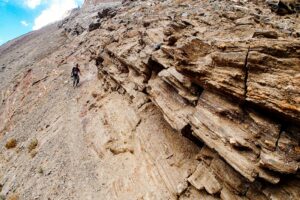
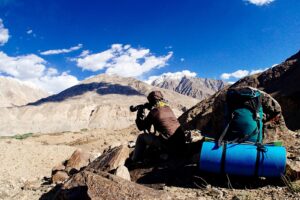
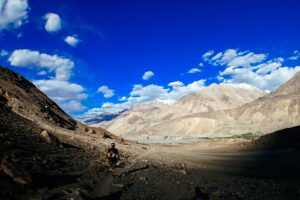
The trek quickly revealed itself to be one of the most beautiful and challenging journeys I’ve ever undertaken. The trail winds through dramatic landscapes, from rocky cliffs to verdant valleys. One of my favorite stretches was a narrow path hugging a sheer rock face—it felt like walking on the edge of the world.
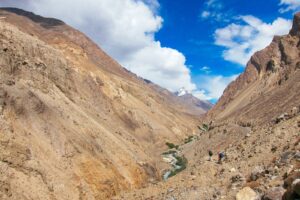
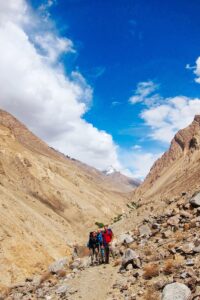
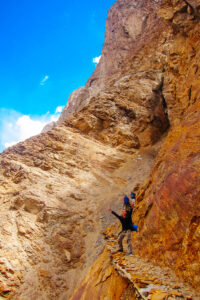
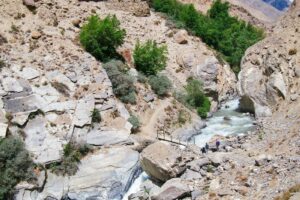
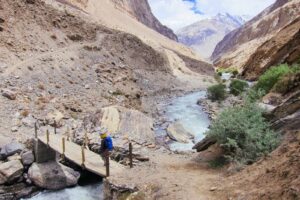
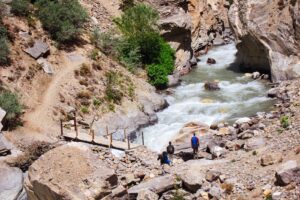
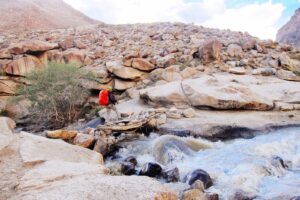
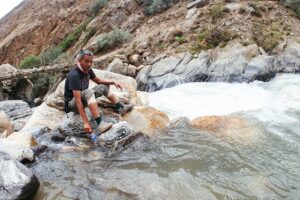
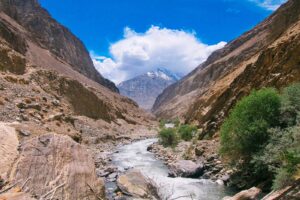
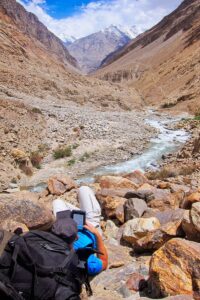
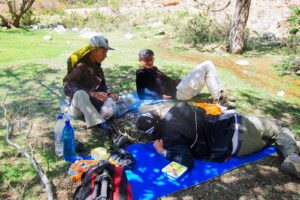
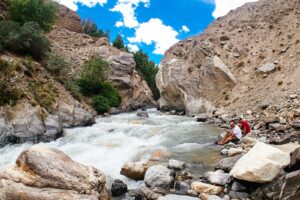
We crossed several rivers along the way, each offering a perfect excuse to pause and catch our breath. The sound of rushing water, combined with the crisp mountain air, was both invigorating and calming.
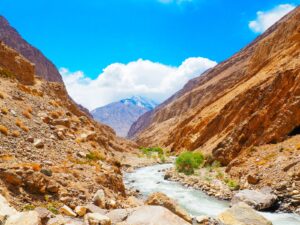
Reaching the Yurt Camp
After 11 long hours of trekking, we finally reached the yurt camp. It was one of the longest hikes I’ve ever done, and I’ll admit there were moments when I doubted if I could make it. Thankfully, my trekking companions were patient and kind, waiting for me and encouraging me to keep going.
The yurt camp was a sight for sore eyes, nestled beside a river that provided easy access to fresh water for drinking and cooking. Surrounded by towering peaks and an endless expanse of sky, it felt like a hidden oasis.
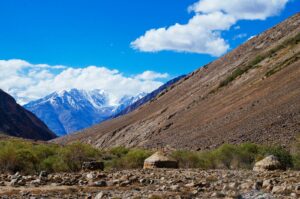
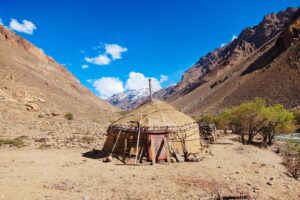
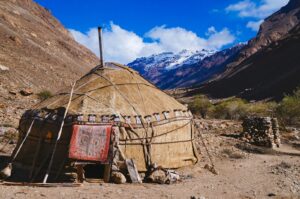
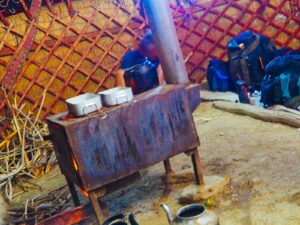

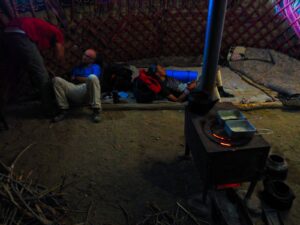
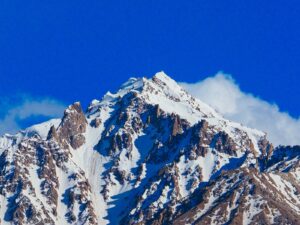
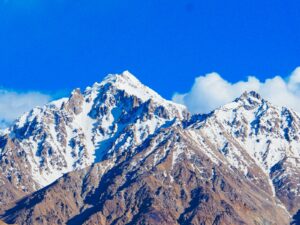
That night, as I lay in the warmth of the yurt, listening to the gentle sounds of the river outside, I felt a deep sense of accomplishment and gratitude. The physical exhaustion was overshadowed by the sheer beauty of the journey.
Heading Back to Darshai
After a restful night, we began our trek back to Darshai village. The return journey offered a fresh perspective, with the morning light casting new shadows and colors on the landscape. I found myself stopping frequently to take in the views, just as breathtaking as they had been the day before.
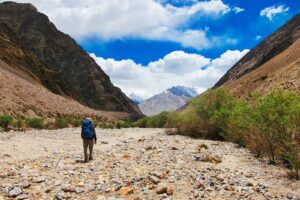
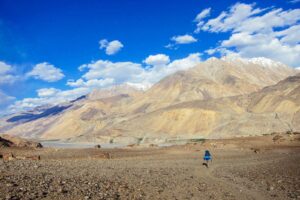
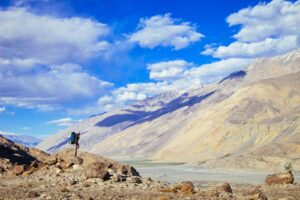
By the time we reached Darshai, I was physically drained but spiritually uplifted. This trek wasn’t just a journey through the Wakhan Valley; it was a journey of resilience, awe, and connection—to the land, to my companions, and to myself.